
The humble carinderia business is the heartbeat of Filipino street culture. Far more than just a place to eat, it is a community hub providing “lutong bahay” (home-cooked) comfort to millions of workers, students, and families every day.
A carinderia is a neighborhood eatery serving affordable, pre-cooked meals displayed in glass counters or pots. It remains a staple because it solves a fundamental problem: providing high-quality, hot meals for less than the cost of cooking at home for one or two people.
- Beginner-friendly: Unlike fine dining, you don’t need a culinary degree; you need grit and a few solid recipes.
- Industry growth: The Philippine food service industry grew by 14.5% in 2023, driven by the relentless demand for affordable, convenient meals.
- Market share: The “informal food sector” accounts for over 60% of daily food-away-from-home consumption in urban areas.
- The OFW choice: Many overseas Filipino workers choose this model because it allows their families back home to manage a cash-flowing asset with a familiar product.
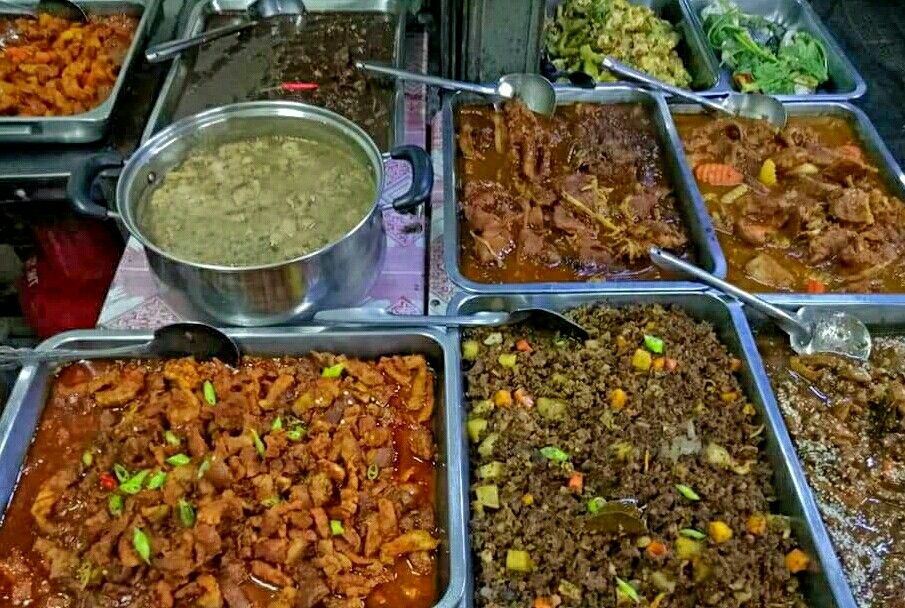
Table of Contents
Understanding the carinderia business model
While a restaurant focuses on ambiance and “experience,” a carinderia business focuses on velocity and volume.
- Convenience over luxury: People visit because it’s faster than fast food and tastes like home.
- The “Ulam” secret: Successful owners know that while rice is the filler, the real profit margins are in the ulam trays (side dishes).
- Suki culture: Your most valuable asset isn’t a billboard; it’s the neighbor who eats at your table 20 days a month.
Is a carinderia right for you?
It’s a common myth that you must be a MasterChef. In reality, you need to be a Master Manager.
Starting a carinderia business can be a fulfilling endeavor for those who love cooking and community. It allows you to be part of a vibrant culture while offering delicious meals that bring people together.
- Skills needed: You must be an early riser to catch the best produce at the market and be highly organized to manage inventory.
- The social aspect: You need to be people-oriented; a friendly “kumusta” (how are you) can turn a one-time visitor into a lifelong suki.
How to choose the right location
High-traffic spots that work
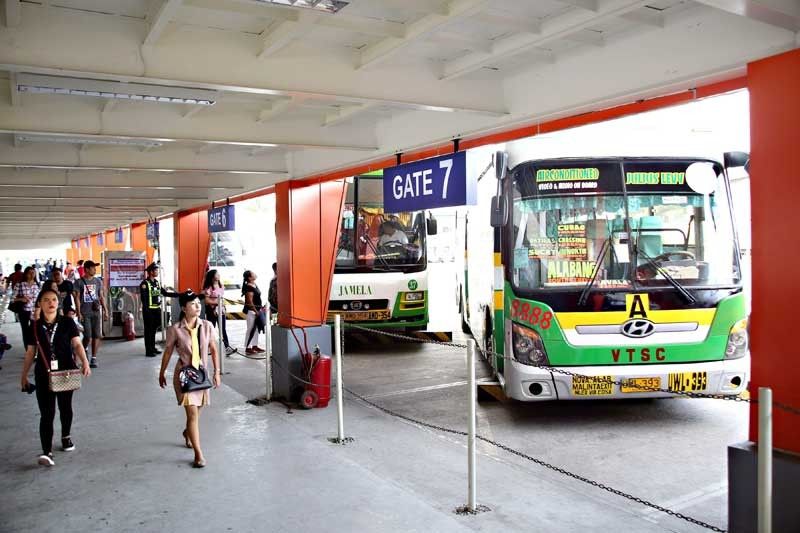
- Transport hubs: Jeepney and tricycle terminals ensure a constant stream of hungry drivers and commuters.
- Institutional areas: Locations near schools, factories, or offices provide a “captive” audience during lunch breaks.
How to validate a location
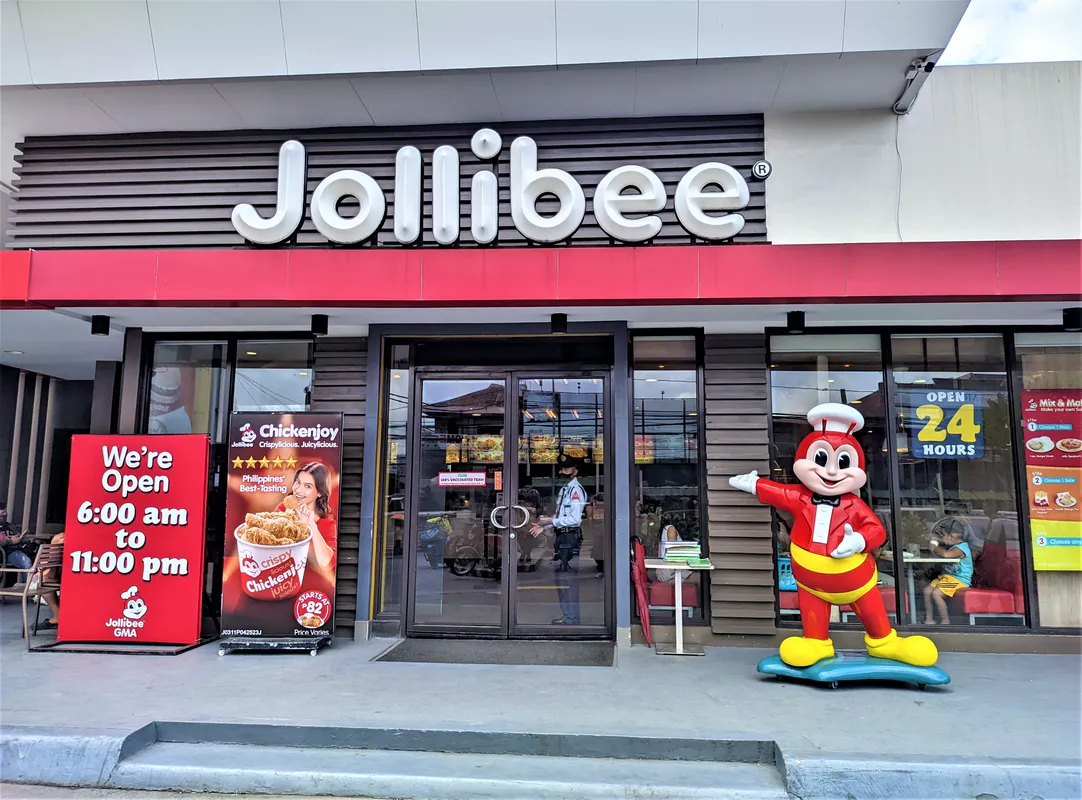
- The “Jollibee” rule: If you see a Jollibee or a 7-Eleven nearby, the big brands have already spent millions to prove people spend money in that exact spot.
- Tricycle driver intel: Ask local drivers where they usually eat; if they say “nowhere good,” you’ve found a market gap.
Startup costs and capital breakdown
Typical startup capital
| Scale | Estimated Capital | Target Audience |
| Small (Residential) | ₱20,000 – ₱80,000 | Neighbors, passersby |
| Mid-Sized (Commercial) | ₱100,000 – ₱250,000 | Office workers, students |
| OFW-Funded (Premium) | ₱150,000+ | High-traffic foot traffic, full staff |
Hidden costs beginners forget
- Daily consumables: Beginners often forget to budget for LPG refills or the mountain of takeout containers needed for office deliveries.
- Waste management: Expect about 5-10% of food to be wasted or given away initially until you master your daily portions.
Menu planning for beginners
Best-selling ulam
- The “Big Three”: Adobo, Sinigang, and Menudo are non-negotiable staples that people never tire of.
- Budget options: Ginisang gulay (sauteed vegetables) provides a low-cost, high-margin option for budget-conscious diners.
Less-known menu strategies
- The “Mother Sauce” method
Prepare a large batch of basic tomato or soy-based sauce and use it for three different dishes to save time. - The Premium add-on
Offering one “special” item like crispy liempo at a higher price point increases your average transaction value.
Daily operations: how a carinderia really works
Daily workflow
- 3:00 AM: Market run for the freshest meat and vegetables.
- 11:00 AM – 1:00 PM: The “Golden Hours” where 70% of your daily revenue is usually made.
Food safety requirements
Critical Fact: Foodborne illnesses affect 1 in 10 Filipinos yearly (WHO Western Pacific); maintaining a clean water source is your #1 priority to avoid being part of this statistic.
Operating a carinderia in the Philippines requires strict adherence to the Food Safety Act of 2013 (RA 10611) and the Code on Sanitation (PD 856) to ensure public health. Beyond basic cleanliness, operators are legally mandated to secure specific permits and ensure all staff undergo health screenings to prevent foodborne illnesses.
Registration, permits, and taxes
Operating “under the radar” limits your growth. Legitimizing your business allows you to supply to offices and schools.
Essential list:
- DTI Registration
- Barangay Clearance
- Mayor’s Permit and
- BIR (Form 1901).
Most small carinderias fall under Percentage Tax rather than VAT, which is much simpler to manage.
When registering with the DTI, choose the “National” scope for your business name rather than “Barangay” or “City.” It costs a few hundred pesos more (P2,000 vs P200), but it protects your unique brand name across the entire Philippines, which is useful if you ever want to expand or franchise.
As of 2024, the annual BIR registration fee of P500 has been abolished. You no longer need to pay this every January, making compliance slightly cheaper for small carinderia owners.
Most cities now use a Business One-Stop Shop (BOSS) or online portals like the Philippine Business Hub, which can save you days of waiting in line at the city hall.
Hiring staff and employment benefits
If you are serving more than 80 meals a day, you cannot do it alone without burning out.
Legal obligations
You are required by law to provide SSS, PhilHealth, and Pag-IBIG benefits for full-time employees.
Pro-tip
Hire people who live within walking distance; transportation issues are the top cause of staff tardiness in the food industry.
Income, profit margins, and cash flow
| Item Category | Profit Margin (%) | Why? |
| Ulam (Meat) | 20% – 35% | High cost of raw ingredients. |
| Rice | 10% – 15% | Competitive pricing is expected. |
| Drinks/Desserts | 30% – 50% | High markup on water, soda, and turon. |
Cash flow tip
Always keep 2–3 weeks of working capital in a separate box. If the price of onions spikes tomorrow, you need the cash to adapt.
Top challenges and how to solve them
Rising costs
Use seasonal ingredients. If tomatoes are expensive, pivot to vinegar-based dishes.
Inconsistent taste
Use standardized measuring cups and spoons. “Tantsa” (estimating) is the enemy of scaling.
Marketing for carinderias
Digital presence
Even a simple Facebook page posting the “Menu for Today” at 10:00 AM can drive office orders.
The “Sip and See” strategy
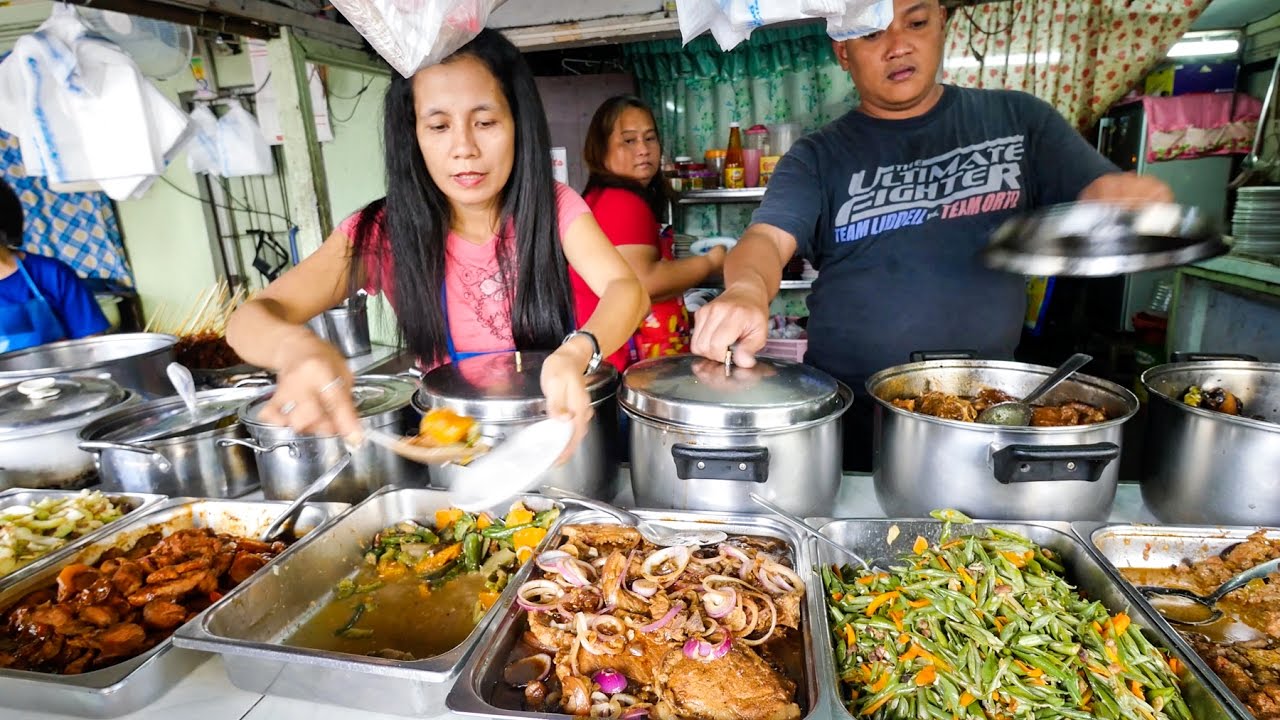
Offering free sabaw (soup) is the oldest and most effective marketing trick in the Philippines.
The “Scent Marketing” strategy
Position your exhaust fan or cooking area so the aroma of your signature dish (like Adobo or Sinigang) wafts toward the street during peak hours to naturally draw in hungry passersby.
Loyalty “Suki” cards
Create a simple “Buy 10 Meals, Get 1 Free” punch card using calling card paper; it costs pennies to make but significantly increases customer retention compared to competitors.
Sample 7-day starter menu
| Day | Meat Option A | Meat Option B | Vegetable Option |
| Mon | Pork Adobo | Fried Chicken | Chopsuey |
| Tue | Beef Nilaga | Fish Cardillo | Ginisang Monggo |
| Wed | Pork Menudo | Chicken Inasal | Pinakbet |
| Thu | Bicol Express | Fried Galunggong | Sayote Guisado |
| Fri | Pork Sinigang | Fried Tilapia | Ginisang Ampalaya |
| Sat | Chicken Curry | Lechon Kawali | Tortang Talong |
| Sun | Kare-Kare | Pork BBQ | Laing |
Final tips for first-time carinderia owners
Cleanliness is marketing: A sparkling clean floor tells customers the food is safe. You also need to track everything: Even if it’s just a notebook, write down every peso that goes in and out.