
Running a sari‑sari store is more than just selling goods — it means dealing with sari‑sari store customers who bring different personalities, needs, and expectations every single day. It’s a daily exercise in patience, communication, and emotional intelligence, especially when you’re serving sari-sari store customers you see in your neighborhood all the time. Engaging with sari-sari store customers effectively can lead to better relationships and enhanced business outcomes.
For many Filipinos, the sari‑sari store is more than a business; it’s a community hub, a neighborhood meeting point, and sometimes even a social safety net for those who need small items on credit or a place to talk. Because of this unique role, sari-sari store customers often encounter behaviors that can be challenging, emotionally draining, or downright stressful.
This guide aims to help sari-sari store customers understand the dynamics of their purchasing decisions and how these decisions impact the store.
From debt that never gets paid and rude sari-sari store customers to neighbors who expect special treatment, these situations can drain your energy and affect your store’s profitability. According to Packworks Sari IQ, sari‑sari stores face challenges related to customer purchasing behavior and cash flow. Industry observations consistently show that unpaid credit (utang) is one of the biggest causes of revenue loss for small Filipino retailers, especially in low‑income communities where informal lending is common.
Meanwhile, the Philippine Statistics Authority notes that micro‑retailers — including sari‑sari stores — typically operate on thin margins, making effective customer management and cash‑flow control critical for business survival.
This is important because sari-sari store customers often have unique expectations that can affect the overall shopping experience. Meeting the needs of sari-sari store customers leads to increased satisfaction and loyalty.
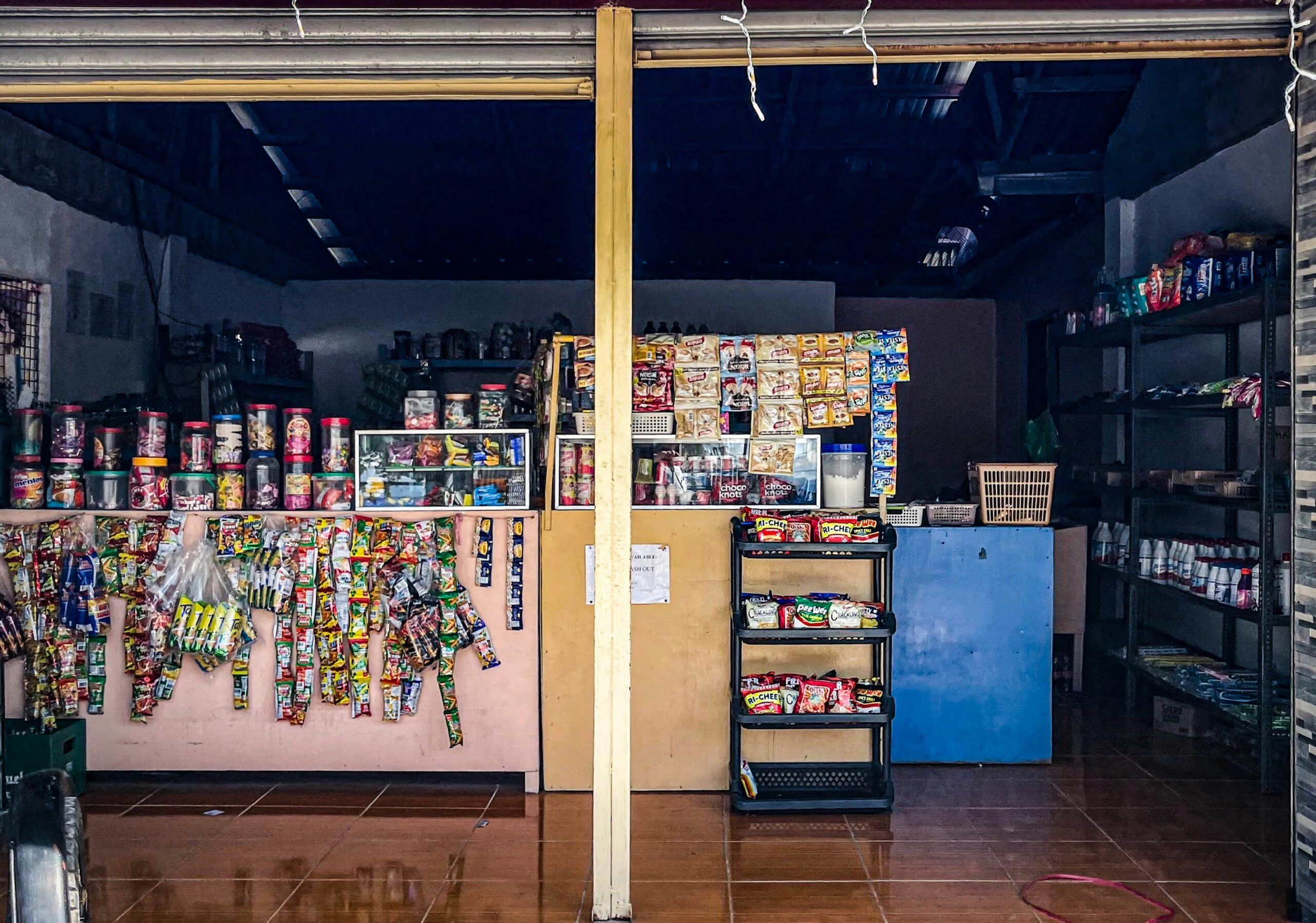
This guide offers practical, culturally sensitive, and realistic strategies for dealing with difficult customers — without damaging relationships or losing your peace of mind.
Table of Contents
Why difficult customers are common in sari‑sari stores?
They are part of the community
Understanding the habits of sari-sari store customers can help owners tailor their services to better meet customer demands.
Sari‑sari stores are physically located within residential neighborhoods, making them an integral part of daily community life. Studies show that micro‑retailers in barangays serve as hyperlocal access points for essential goods, especially in low‑income areas where formal retail is limited.
Customers often know the owner personally
Because sari‑sari stores are usually family‑run and located just a few steps from customers’ homes, transactions often occur between people who already have personal relationships. This dynamic influences trust, purchasing habits, and even credit decisions.
Social expectations influence buying behavior
Filipino cultural norms such as pakikisama (harmonious relationships) and hiya (social shame) shape how customers interact with store owners. These norms can pressure owners to extend credit or allow delayed payments to maintain good community relations.
Many transactions involve small amounts, making customers feel more casual
Because sari‑sari stores specialize in low‑cost, daily essentials — often purchased in sachets or tingi — customers tend to treat transactions informally. This casualness can lead to inconsistent payment behavior, especially when purchases are small and frequent.
Utang culture is deeply rooted in Filipino communities
Informal credit is a long‑standing practice in low‑income Filipino communities, where access to formal financial services is limited. Research from ADB, PIDS, and CARD MRI consistently shows that utang is widespread and repayment is often delayed, creating cash‑flow challenges for micro‑retailers.
Because of this, store owners face challenges that larger retailers don’t — and they must balance friendliness with firm boundaries.
The most common difficult customer types — and how to handle them
Understanding the needs of sari-sari store customers
Sari‑sari store owners deal with a wide range of sari‑sari store customers every day, each bringing different personalities, habits, and expectations. Many of these behaviors are shaped by Filipino culture, community relationships, and, in many cases, economic realities. By observing the needs of sari-sari store customers, owners can create a more harmonious shopping environment.
Micro‑retailers often face challenges related to utang, inconsistent buying patterns, and customer expectations — all of which affect store profitability. Understanding these different types of sari‑sari store customers, and knowing how to respond, helps you stay calm, professional, and in control as you navigate interactions with sari-sari store customers.
Below are the most common difficult customer types and practical strategies for handling each one.
1. The utang king/queen
These customers frequently ask for credit and often delay payments. Unpaid utang is one of the biggest sources of losses for sari‑sari stores, with micro‑retailers reporting significant revenue leakage due to informal credit.
How to handle them:
-
- Set clear rules: “Maximum ₱50 utang only” or “No new utang until previous balance is paid.” Or even better if you hate chasing debts, post “No utang” sign.
- Track everything using a notebook or digital app.
- Give credit only to customers with a proven history of paying.
By providing excellent service to sari-sari store customers, you can encourage repeat business and foster a positive reputation in the community.
- Offer alternatives like tingi to fit their budget.
Polite script:
“Pasensya na po, pero hindi po kami nagpapautang ngayon. Sana po maintindihan.”
2. The hagglers
They negotiate prices even when items follow SRP. Many don’t realize that sari‑sari stores operate on thin margins, as noted by the Philippine Statistics Authority’s MSME data.
How to handle them:
- Explain that prices follow SRP or supplier pricing.
- Offer bundles instead of discounts.
- Stay firm but friendly.
Polite script: “Fixed price po ito, naka‑SRP po kami. Pero may bundle po kami kung gusto ninyo.”
3. The rude or impatient customer
They demand immediate attention, complain loudly, or act entitled.
How to handle them:
- Stay calm and neutral.
- Use short, polite responses.
- Avoid escalating the situation.
- Serve them quickly and move on.
Polite script: “Salamat po sa patience, inuuna ko lang po yung nauna sa pila.”
4. The “libre naman dyan” jokers
They joke about getting freebies, but some expect you to give in.
How to handle them: Focus on maintaining a good rapport with sari-sari store customers, even when the conversation turns humorous, to ensure a positive atmosphere.
- Laugh it off but stay firm.
- Use humor to deflect.
- Avoid giving freebies unless it’s your choice.
Polite script: “Naku, kung magbibigay ako ng libre sa lahat, malulugi po ako.”
5. The early‑morning or late‑night knockers
They disturb you outside store hours, even when the lights are off.
How to handle them:
- Post clear store hours.
- Use a “Closed” sign.
- Politely refuse service outside hours.
- Prioritize safety — don’t open the door if you are suspicious or unsure.
Polite script: “Pasensya na po, sarado na po kami. Bukas po ulit sa regular hours.”
6. The drunk tambays
They linger, talk loudly, or make other customers uncomfortable.
How to handle them:
- Keep interactions short.
- Avoid selling alcohol if they’re already intoxicated.
- Ask them politely to move aside.
- Seek help if they become aggressive.
Polite script: “Boss, dito lang po tayo sa maayos. May ibang bumibili po.”
7. The price complainers
Building trust among sari-sari store customers is essential for long-term business success.
They accuse you of overpricing even when you follow SRP. DTI’s SRP Bulletins show regular price adjustments due to inflation and supply chain issues.
How to handle them:
- Explain SRP and supplier price increases.
- Show consistency — same price for everyone.
- Avoid taking complaints personally.
Polite script: “SRP‑based po kami, at tumaas din po ang kuha namin sa supplier.”
8. The “pa‑favor” neighbors
They expect special treatment because you live nearby or know each other personally.
How to handle them:
-
- Set boundaries early.
Recognizing the influence of community ties helps in understanding sari-sari store customers better.
- Apply rules consistently.
- Avoid emotional explanations — keep it businesslike.
Polite script: “Para fair po sa lahat, iisa lang po ang rules namin.”
Communication scripts you can use immediately
These scripts help you stay polite, and consistent to keep these special types of customers at bay.
For Utang
“Pasensya na po, pero hindi po kami nagpapautang ngayon. Sana po maintindihan.”
For Rude Customers
“Salamat po sa patience, inuuna ko lang po yung nauna.”
For Price Complainers
“Suggested retail price‑based po kami, at pare‑pareho po ang presyo para fair sa lahat.”
For Drunk Customers
“Boss, dito lang po tayo sa maayos. May ibang bumibili po.”
For Late‑Night Knockers
“Sarado na po kami. Bukas po ulit sa regular hours.”
How to prevent customer problems before they start
1. Post clear store rules
Examples:
- “No Utang” sign
- Indicate store hours
- “Fixed Prices” sign
- No Loitering sign
2. Keep the store organized
A clean, well‑lit store reduces confusion and impatience. A clean, well‑lit store reduces confusion and impatience by helping customers immediately see what they need without having to ask or search.
Clear visibility and easy to find essentials also speeds up transactions, which makes the shopping experience feel smoother and more organized. When customers feel comfortable and can move quickly, they’re more likely to return and buy more.
3. Use a bell or window system
A bell or small service window creates a simple but effective system for managing customer flow. It signals to the owner when someone arrives, reducing crowding at the counter and helping you serve people in the order they came.
This setup also sets a clear boundary, which makes transactions feel more organized and prevents customers from interrupting ongoing tasks.
4. Maintain consistent pricing
Maintaining consistent pricing protects your margins and keeps customer relationships healthy.
When you give special treatment or adjust prices for certain sari-sari store customers, it quickly creates expectations — and others may start asking for the same favors. Over time, this erodes profitability and makes it harder to enforce fair, stable pricing for everyone.
When to say no (and how to do it politely)
There are moments when saying “no” is necessary:
- When a customer is drunk
- When someone is harassing you
- When the request is unreasonable
- When it affects your safety
- When it violates your store rules
Polite but firm script
“Pasensya na po, pero hindi ko po puwedeng gawin yan. Sana po maintindihan.”
Clear communication with sari-sari store customers helps set the right expectations and maintain healthy interactions.
Conclusion
Difficult customers are part of running a sari‑sari store — but they don’t have to drain your energy or hurt your business. With clear rules, calm communication, and consistent boundaries, you can maintain good relationships while protecting your store’s profitability.
Ultimately, understanding the needs and behaviors of sari-sari store customers will allow you to create a more successful and enjoyable shopping environment.
Remember: You are running a business, not a charity. Respect goes both ways, and setting boundaries is a sign of professionalism, not unkindness.
With the right strategies, you can stay calm, stay in control, and keep your sari‑sari store thriving.
By applying these strategies, you can effectively manage the dynamics of sari-sari store customers and enhance your store’s success.